Back to news

PEDRI Pledge Stories: How MAGENTA is embedding meaningful public involvement across research

Claire and Ayan from the MAGENTA project share how they are upholding the PEDRI Pledge.
PEDRI Pledge Stories: How MAGENTA is embedding meaningful public involvement across research

20 October 2026 | Claire Newman (PPIE Lead, Swansea University) and Ayan Farah (PPIE Coordinator, Swansea University)

The PEDRI Pledge is a public commitment to effective public involvement and engagement in data research. Organisations and research teams who sign the Pledge are encouraged to share, celebrate and report on their progress, creating accountability for turning the Good Practice Standards into action.

Why we took the Pledge

MAGENTA is a research project exploring heat and pregnancy, including the use of routinely collected health and environmental data from across Wales and London, in addition to data collected from our participating pregnant mothers in Swansea. From the outset, the team recognised that meaningful public involvement and engagement was essential to ensure the research was relevant, accessible, and grounded in the experiences and priorities of the people it aims to benefit.

The PEDRI Pledge provided an opportunity to strengthen our commitment by reflecting on our practice, assessing the effectiveness of our approach, and ensuring our work aligned with PEDRI’s Good Practice Standards. The Pledge also helped us to be accountable for embedding public involvement throughout the research lifecycle.

Who we involved

MAGENTA is committed to ensuring diverse lived experiences shape our research. Therefore, we took a broad view of lived experience, recognising the value of perspectives not only from people who had experienced pregnancy themselves, but also those who support pregnancies. Contributors include mothers, fathers, midwives, nurses and others with relevant personal, professional and community experience.

Contributors are from across the UK and reflect a range of ages, ethnicities, cultures, religions and personal circumstances, recognising that experiences of pregnancy and maternity health outcomes are influenced by identity.
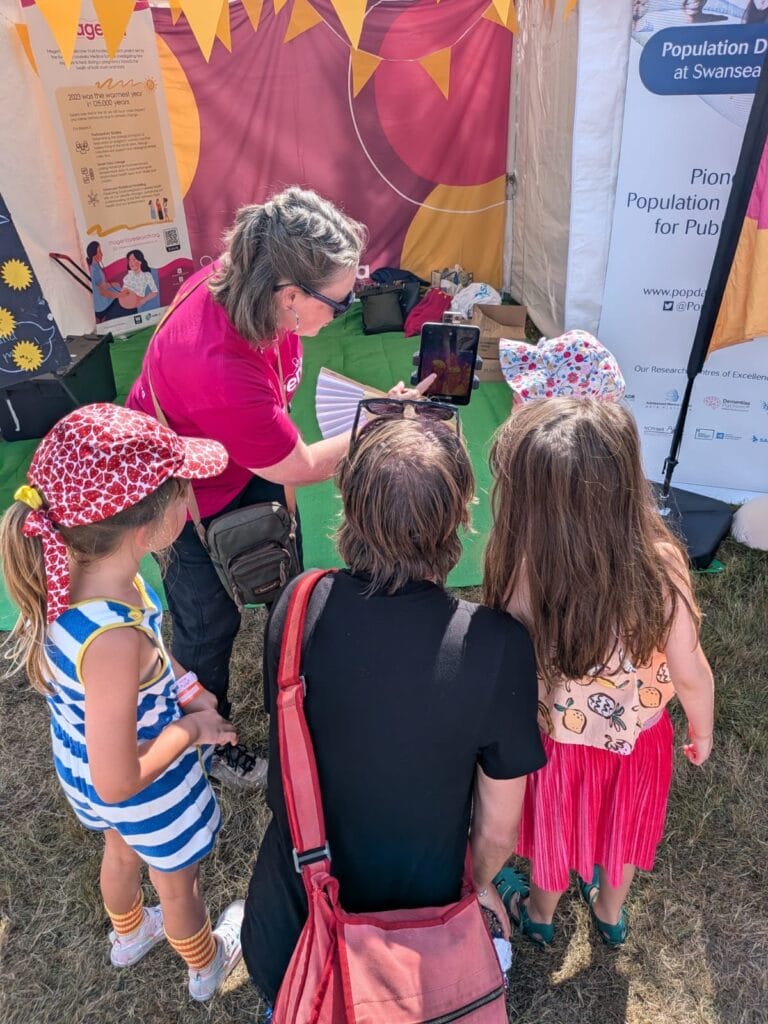
Woman showing her tablet to another person and three children

How we put the Pledge into practice

Public contributors are involved throughout the research lifecycle, from shaping research plans and informing study design to interpreting findings, dissemination and shared learning. PEDRI’s Good Practice Standards informed our implementation early in the research and continue to do so as research progresses.

Rather than asking public contributors to review decisions that have already been made, we prioritise working in partnership, recognising the equal value of research expertise and lived experience.

To support meaningful involvement in a complex data-driven project, the researchers:

  • Provide plain English summaries and accessible presentations
  • Create opportunities for discussion, questions and shared learning
  • Offer additional support where needed
  • Prioritise an open and respectful dialogue
  • Encourage contributors to challenge assumptions and share their perspectives
  • Regularly provide feedback on how contributor input has influenced decisions

This approach helps to create an environment where contributors feel able to contribute confidently and provide informed input, helping to build transparency, trust and shared ownership of the work.
Continuity was another key feature of our approach, aligning with the standard of creating a culture of involvement and engagement. Contributors remain involved throughout different stages of the project, enabling them to develop their understanding of the research and provide an increasingly informed input over time.

To support inclusive involvement, we provide appropriate reimbursement, flexible opportunities to contribute, and engagement with researchers across the project. This helps reinforce the idea that public involvement is an integral part of high-quality research rather than a separate activity.

Our commitment to partnership extended beyond the research itself. Public contributors co-produced work externally, including sharing lessons from MAGENTA on what meaningful public involvement should look like at the PEDRI Forum, guiding how other researchers in attendance could better implement public involvement.

We have upheld the PEDRI Pledge by valuing lived experience, supporting shared learning, fostering open dialogue, demonstrating the impact of contributions and embedding public involvement across all stages of the project.

What we have achieved

A key success has been establishing a sustained and active partnership with public contributors. Since 2024, our Patient and Public Involvement and Engagement (PPIE) group of 26 contributors has met almost monthly, with members remaining actively engaged throughout the project. This continuity has enabled contributors to develop their understanding of the research and provide increasingly informed input, while building trusted relationships with researchers.

Over the first year, contributors provided feedback across all work packages, helping to shape research plans, participant-facing materials, website content, communication approaches, dissemination activities and wider public engagement strategies. As a result, researchers reported adapting their communications, improving the accessibility of complex research concepts and incorporating new perspectives and lines of enquiry.

For public contributors, they consistently reported feeling welcomed, valued and able to influence the project, with one member reflecting: “Very involved. From the first meeting I was made welcome and valued as a contributor.”

Together, these outcomes demonstrate a shift from one-off consultation to sustained partnership, with public involvement embedded across the programme.

We’ve been able to highlight some of these achievements on the MAGENTA website and further amplify the voices of our contributors:

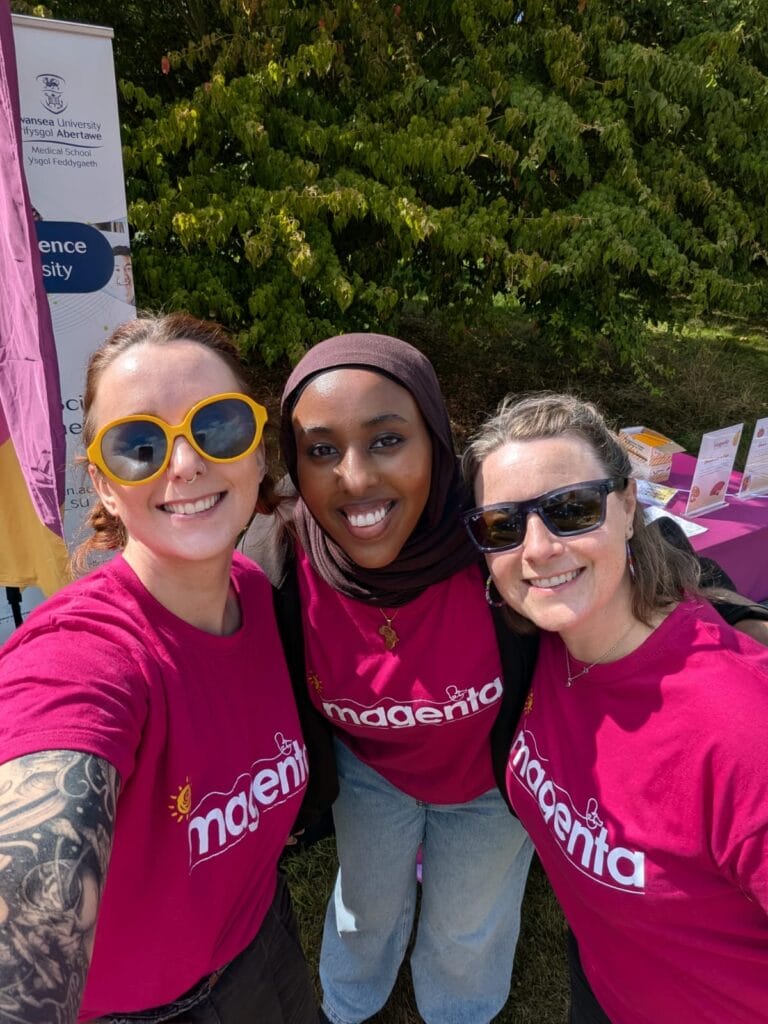
Three women smiling at the camera

What we have learned

Our experience has reinforced several important lessons about meaningful public involvement. We have established high standards and identified key lessons learned which we carry into our future research endeavors.

Value of continuity

Sustained public involvement enables contributors to build their understanding of the research, develop trusting relationships with researchers and provide increasingly informed input over time.

Accessibility is essential for meaningful involvement

Using plain English, clear explanations and accessible presentations helps contributors engage confidently with complex research and ensures everyone can participate fully in discussions. Additionally, it ensures we are actively engaging a diverse group of contributors, whose input is valued.

Expertise comes in different forms

Meaningful involvement depends on recognising mutual expertise. Researchers bring methodological knowledge, while public contributors bring lived experience and community insight. Respecting both forms of expertise creates stronger partnerships and better-informed research.

People want to have an impact

Contributors are most engaged when they can see their impact beyond the research itself. Many valued the opportunity to contribute to work with the potential to influence practice, policy and future health outcomes for pregnant women, babies and communities.

The MAGENTA project has reinforced that meaningful public involvement is not a single activity, but an ongoing partnership built through accessible communication, mutual respect, shared learning and opportunities to make a difference.

As the project continues, we hope to continually reflect on our practice of meaningful involvement to ensure we are upholding our commitment to the PEDRI Pledge.

Find out more about the PEDRI Pledge and show your commitment to good public engagement in data research: Make the Pledge

Stay connected: Sign up to our newsletter

Sign up
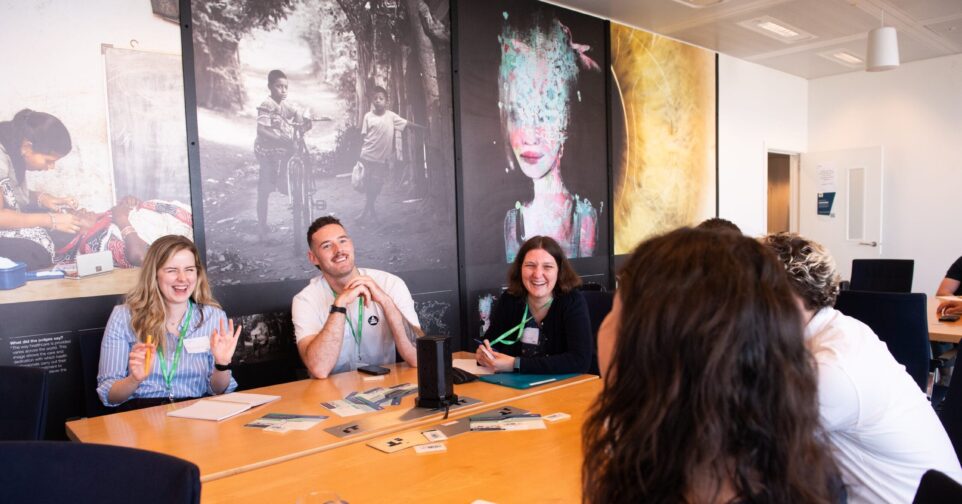
A group of people talking.
Get in touch

We’re here to help.

Complete our contact form and we’ll be in touch.

Terms(Required)