27 April 2026 | Jan Speechley (PEDRI Public Partner), Anwar Gariban (PEDRI Public Partner) & Amy Hodgkinson (Learning and Development Lead at PEDRI)
In our Learning and Development (L&D) Working Group we’ve been exploring data professionals’ public involvement and engagement learning needs. Workstream lead Amy, and public partners Jan and Anwar, reflect on their recent experience facilitating focus groups to inform PEDRI’s new online learning modules.
Background
Last year we kicked off our enhancing skills and building knowledge project, thanks to funding from DARE UK with the aim of supporting people using data in research to do effective public involvement and engagement. As part of this, we’re creating CPD-accredited online learning modules, providing practical guidance on applying the PEDRI Good Practice Standards, discussing sensitive topics around data research and statistics, and evaluating impact.
Involving the public
The training we are developing is aimed at people who use data for research and public engagement professionals. We need their input to ensure what we produce is useful and not repeating what’s already out there. We put out an expression of interest survey calling for people get involved in focus groups.
At PEDRI, we also have a Public Advisory Group who are involved across our workstreams. We wanted to ensure their involvement in the development of these modules was effective. It would have been easy to just add “members of the public” as another audience for a focus group. This didn’t feel like an authentic way to use their time and expertise for this work.
Together with Jan and Anwar, who are involved with the Learning and Development workstream more generally, we decided the best way for them to pro-actively support this work was to co-develop and deliver the focus groups. Their involvement feels like a real strength of this project.
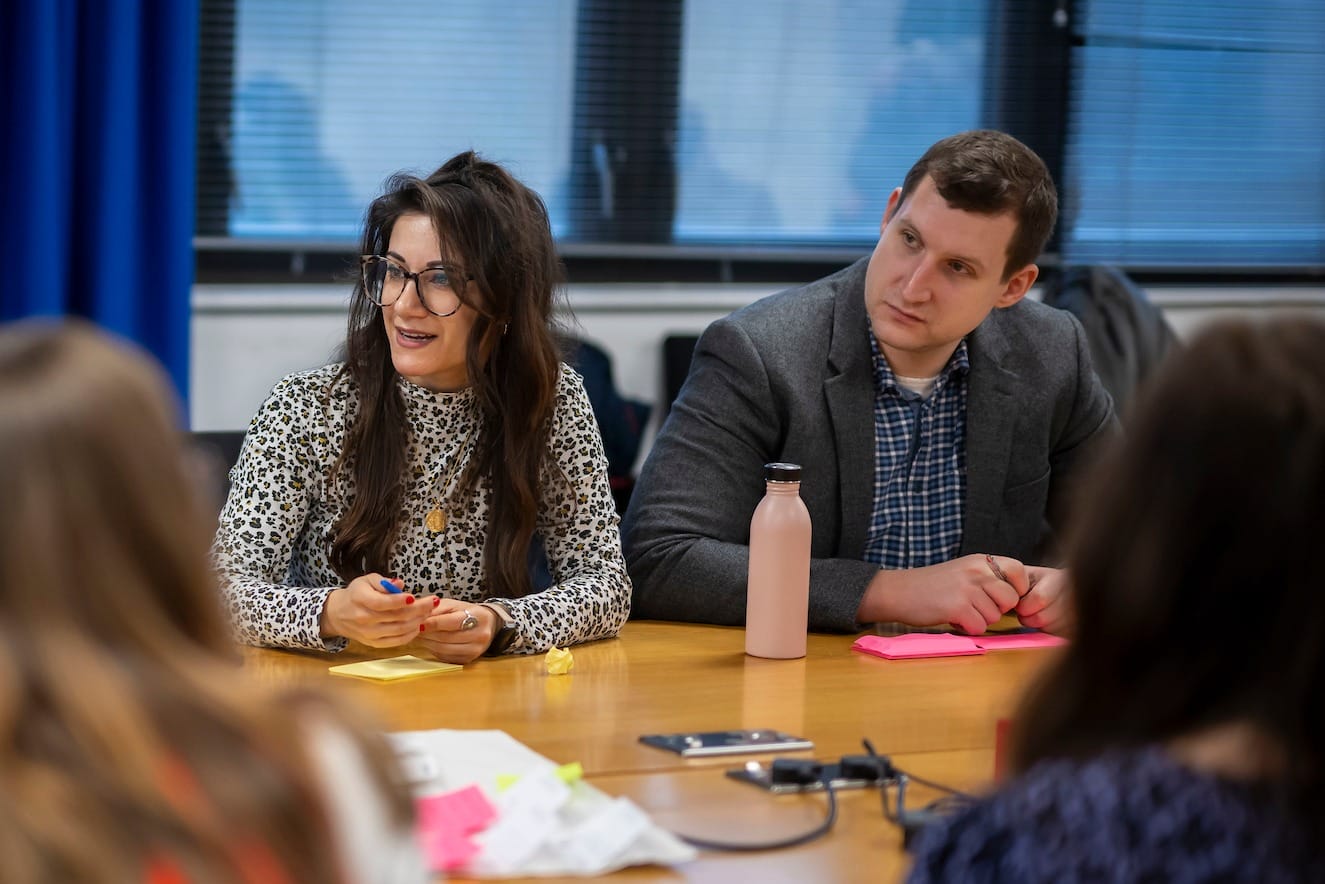
We worked together to decide the questions we were going to ask in the focus groups and also how they were going to be delivered. Jan and Anwar also co-facilitated the sessions. This approach helped the sessions to reflect both the data professionals and public perspectives in a meaningful way.
Facilitating these sessions together offered an opportunity to deepen all our understanding of the diverse data research roles and explore how learning needs might differ amongst them. To keep the focus groups effective, we capped each one to 10 people or under. Because we were unable to invite everyone interested, we also added a survey option, so their insights weren’t lost. With almost 100 people expressing their interest to take part in the focus groups, we facilitated four sessions with a total of 22 participants.