23 November 2026 | Naomi Clements-Brod (Patient and Public Involvement Research Lead, DATAMIND, University of Cambridge)
This is part of a series of blogs exploring how the “From Standards to Impact” grant awardees have been applying the PEDRI Good Practice Standards in their public involvement and engagement work.
The opportunity
Many people are unaware that the National Health Service (NHS) routinely collects health data that can be anonymised and used for academic or commercial research. The use of mental health data is often considered to be especially sensitive, particularly when used for commercial research.
In April 2026, DATAMIND’s Lived Experience Advisory Group (LEAG) published co-developed guidelines providing advice to industry and the NHS about what is acceptable and desirable in terms of sharing mental health data with commercial organisations from a public perspective.
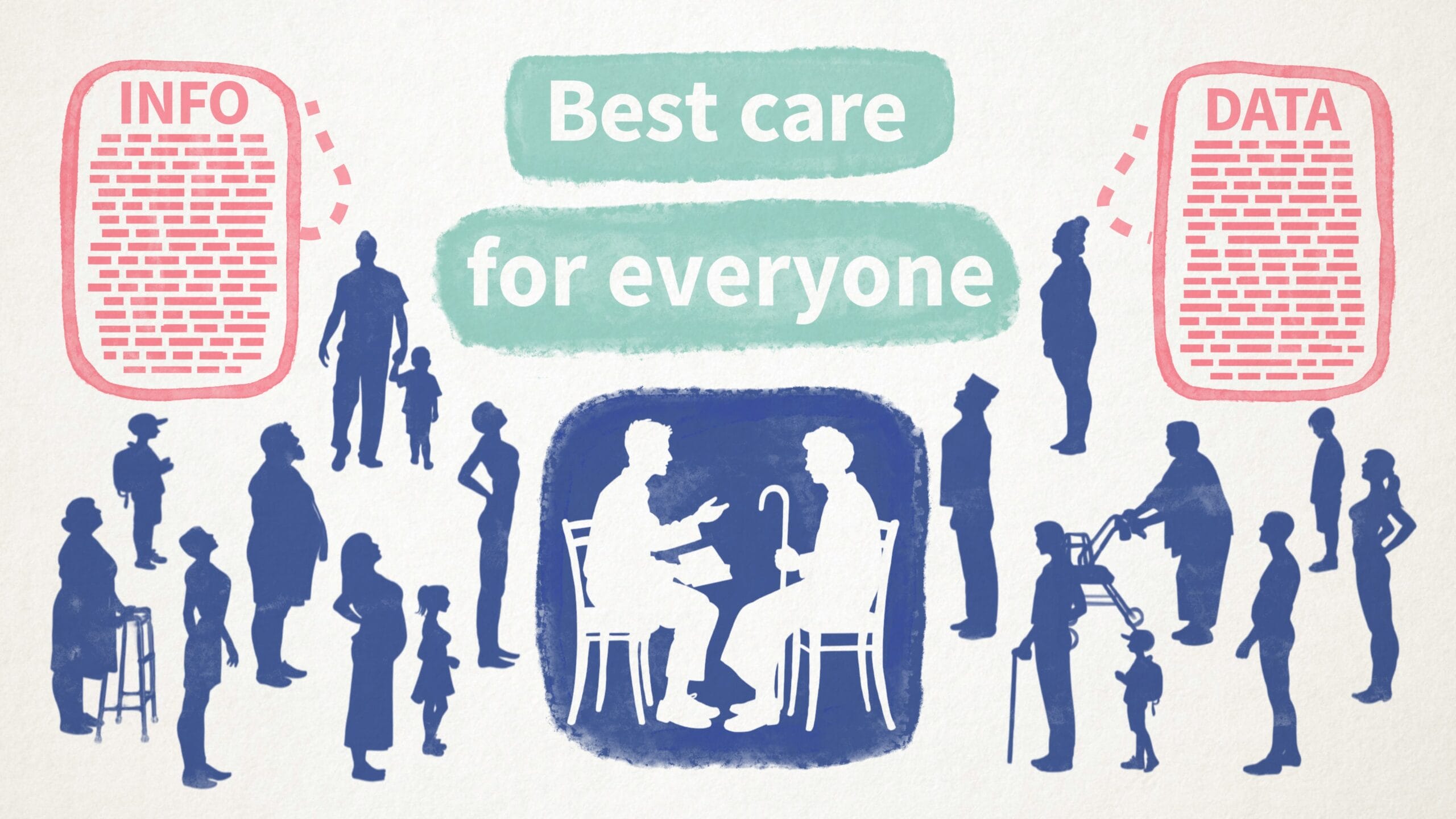
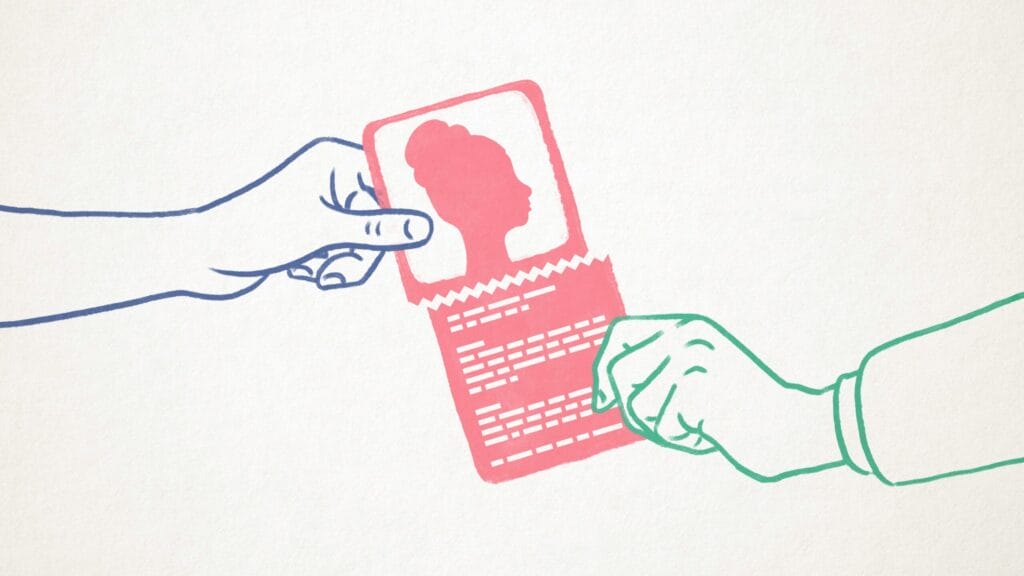
To support us in sharing this information more widely, funding from PEDRI’s “From Standards to Impact” funding call gave us the opportunity to turn the guidance into accessible resources. Together, we co-created a webpage and animation designed to help everyone to:
- Understand how their mental health data could be used for research
- Make decisions about how their data can be used for research
- Advocate for the safe and fair use of mental health data for research
We aimed to adopt PEDRI’s Good Practice Standards throughout the project. Some, like “Equity, Diversity and Inclusion,” “Data Literacy and training,” “Effective involvement and engagement,” “Creating a culture of involvement and engagement” and “Two-way communication,” were already standard practice for us and others, like “Transparency” and “Mutual Benefit”, encouraged us to think differently about how we do public involvement.
Who we worked with
DATAMIND is a Medical Research Council-funded project aiming to transform mental health research by ensuring that data is findable, accessible, interoperable and reusable (FAIR).
The DATAMIND LEAG is a friendly group of 12 people from across the UK who have experiences of mental health challenges and/or caring for someone with mental health challenges. Members have diverse views and varying comfort levels around the use of mental health data.
The entire LEAG was involved throughout the project, and a subgroup of six members had additional influence and involvement, shaping key decisions. The project was supported by a senior researcher, Professor Rudolf Cardinal, and as Patient and Public Involvement Coordinator, I managed the project, facilitated meetings, coordinated external suppliers and completed administrative paperwork.
We also worked with a plain language writer, Emma Fossey from PhEW, and an award-winning video production company, Cambridge Filmworks, to ensure the final resources were clear and engaging to a wider audience.
What we did
Between January and July 2026, the subgroup and the full LEAG iteratively co-developed the webpage and animation. We discussed every aspect of the outputs, including the intended audience, key information to include, visual style, music, voiceover, storyboard and script for the animation, webpage content and design, and dissemination plans.
To strengthen collaboration, the video production company and plain language writer attended relevant meetings so LEAG members could engage with them directly and explain their perspectives first-hand.