Overview
Area(s) of interest:
All Disease Types
Our members are patients, relatives and carers, focussed on the use of patient data to save lives and improve outcomes. Our membership maps to the inpatient population of the UK, in terms of health condition, gender, age-profile, location (across the four nations) and ethnicity. We cover all disease/health conditions.
Additional information
Location: UK
UK
Mode of working: Hybrid
Hybrid
Working with our members can either be online or in-person, depending on the opportunity.
Research experience: Yes
Notes:
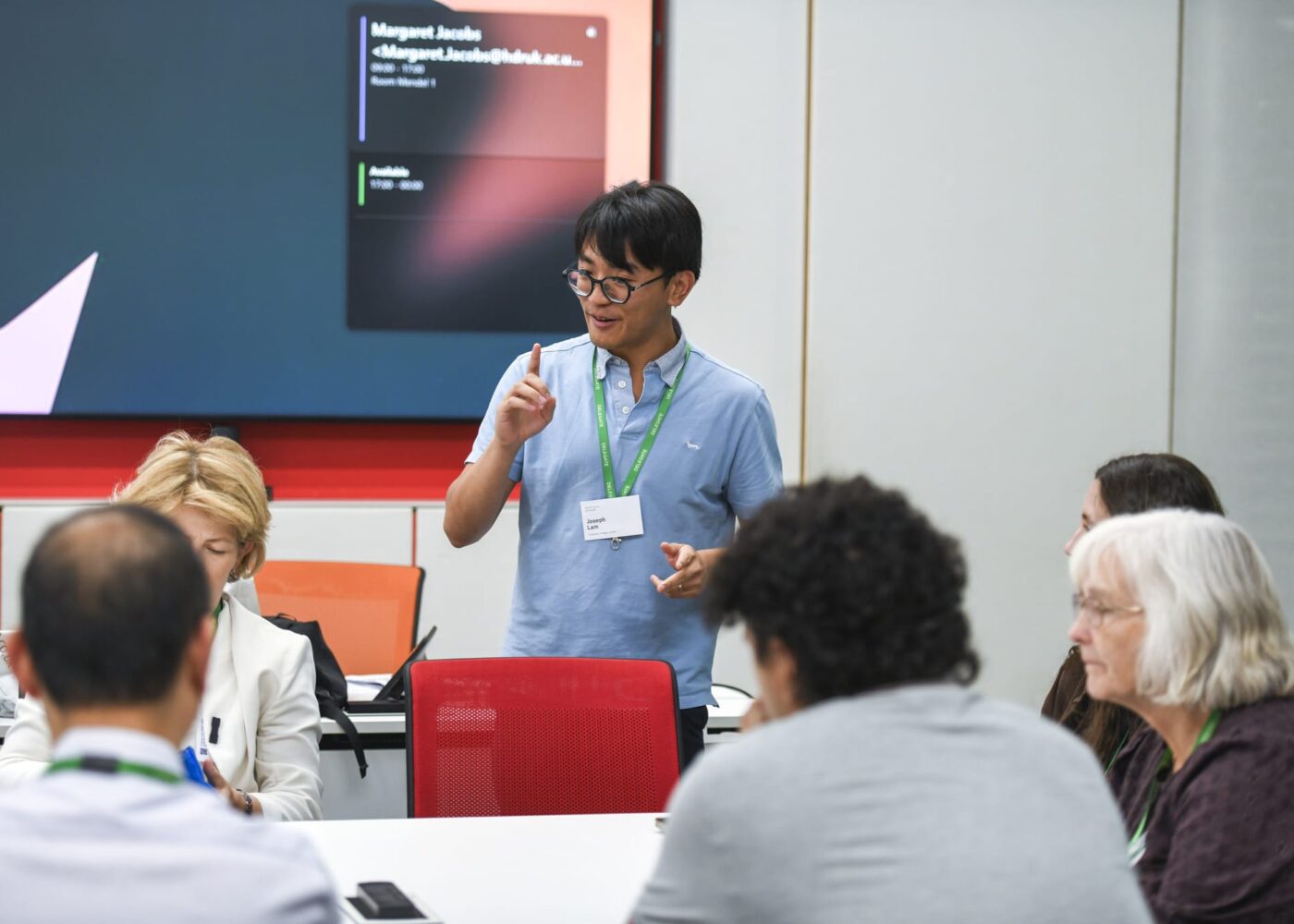
- As a group we convene workshops, that bring together researchers and our members, to focus on a particular element/issue, for which a researcher or research organisation is seeking. This is often at the early stage of a grant proposal.
- We connect individual member with researchers, to aid their work – via joining panels/steering groups, reviewing summaries etc.
Type of involvement:
Ad-hoc Support| Co-Production| Panels| Reviewing Summaries| Steering Groups
Availability:
Expenses:
It is good to know about honoraria options – whether it is offered, or otherwise – at the start of any engagement/involvement.
Our comments to researchers:
Our uniqueness is our members – patients, relative and carers.
- We are an entirely patient-led organisation, and we bring a range of views from members, some experienced in data, some less so, but all bound by a common cause, for our patient data to be used to help others and to help us.
- Our members are a unique asset, keen to influence the use of patient data across the UK via connecting widely, with researchers, public and commercial organisations and governments.