Back to news

From Standards to Impact: Co-creating an animation and webpage about data-driven mental health research 

Naomi from DATAMIND shares their project bringing the PEDRI Good Practice Standards to life.
From Standards to Impact: Co-creating an animation and webpage about data-driven mental health research 

23 November 2026 | Naomi Clements-Brod (Patient and Public Involvement Research Lead, DATAMIND, University of Cambridge)

This is part of a series of blogs exploring how the “From Standards to Impact” grant awardees have been applying the PEDRI Good Practice Standards in their public involvement and engagement work.

The opportunity

Many people are unaware that the National Health Service (NHS) routinely collects health data that can be anonymised and used for academic or commercial research. The use of mental health data is often considered to be especially sensitive, particularly when used for commercial research.

In April 2026, DATAMIND’s Lived Experience Advisory Group (LEAG) published co-developed guidelines providing advice to industry and the NHS about what is acceptable and desirable in terms of sharing mental health data with commercial organisations from a public perspective.

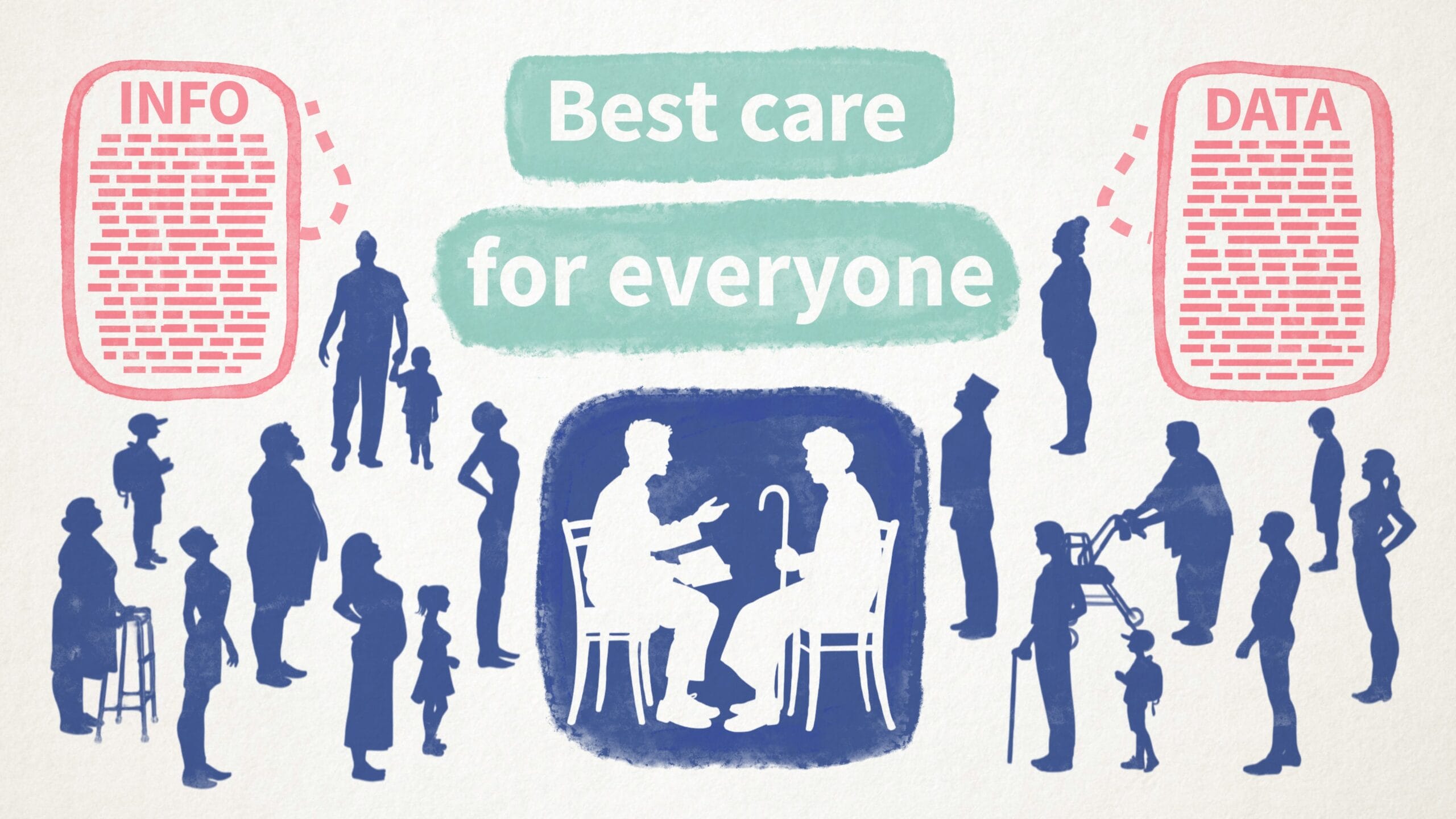
To support us in sharing this information more widely, funding from PEDRI’s “From Standards to Impact” funding call gave us the opportunity to turn the guidance into accessible resources. Together, we co-created a webpage and animation designed to help everyone to:

  • Understand how their mental health data could be used for research
  • Make decisions about how their data can be used for research
  • Advocate for the safe and fair use of mental health data for research

We aimed to adopt PEDRI’s Good Practice Standards throughout the project. Some, like “Equity, Diversity and Inclusion,” “Data Literacy and training,” “Effective involvement and engagement,” “Creating a culture of involvement and engagement” and “Two-way communication,” were already standard practice for us and others, like “Transparency” and “Mutual Benefit”, encouraged us to think differently about how we do public involvement.
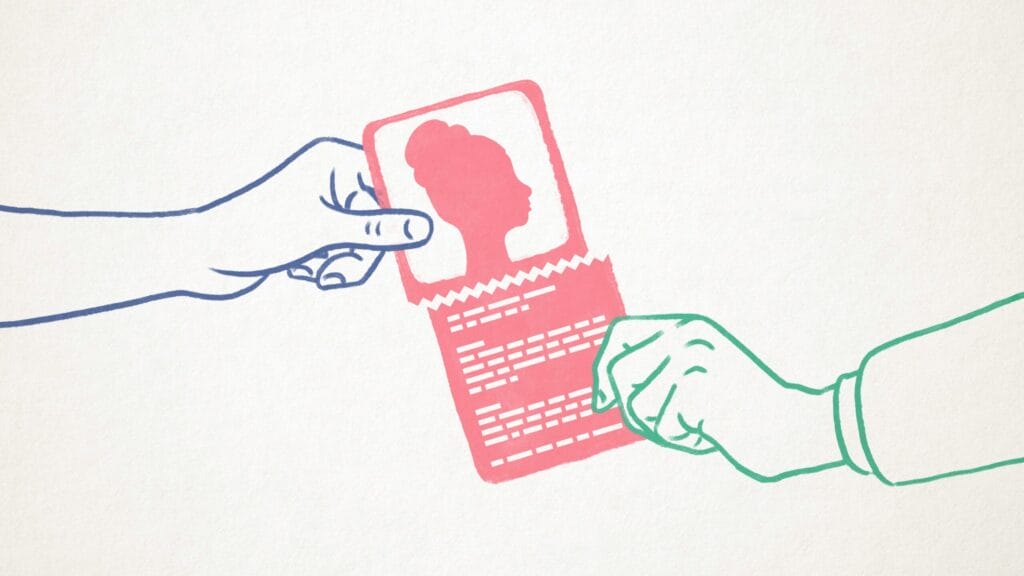
DATAMIND image

Who we worked with

DATAMIND is a Medical Research Council-funded project aiming to transform mental health research by ensuring that data is findable, accessible, interoperable and reusable (FAIR).

The DATAMIND LEAG is a friendly group of 12 people from across the UK who have experiences of mental health challenges and/or caring for someone with mental health challenges. Members have diverse views and varying comfort levels around the use of mental health data.

The entire LEAG was involved throughout the project, and a subgroup of six members had additional influence and involvement, shaping key decisions. The project was supported by a senior researcher, Professor Rudolf Cardinal, and as Patient and Public Involvement Coordinator, I managed the project, facilitated meetings, coordinated external suppliers and completed administrative paperwork.

We also worked with a plain language writer, Emma Fossey from PhEW, and an award-winning video production company, Cambridge Filmworks, to ensure the final resources were clear and engaging to a wider audience.

What we did

Between January and July 2026, the subgroup and the full LEAG iteratively co-developed the webpage and animation. We discussed every aspect of the outputs, including the intended audience, key information to include, visual style, music, voiceover, storyboard and script for the animation, webpage content and design, and dissemination plans.

To strengthen collaboration, the video production company and plain language writer attended relevant meetings so LEAG members could engage with them directly and explain their perspectives first-hand.

Impact and outcomes

I think the biggest success of the project is that LEAG members said that they were able to see how their input had influenced the webpage and animation.

We also successfully adopted all PEDRI’s Good Practice Standards, through careful organisation of the project. Anonymous survey feedback from LEAG members suggested we were especially effective at implementing “Equity, Diversity and Inclusion,” “Effective involvement and engagement,” “Two-way communication,” and “Transparency”. One member reflected on their experience in relation to the “Equity, Diversity and Inclusion” Standard saying, “active listening, respect for each other, empathy and compassion is always demonstrated at a meeting.”

The “Transparency” standard was one that was new for us to adopt in this project, and whilst we found it easy to align with and useful when it came to reporting, I can see it may be more challenging to adopt in other LEAG work where they have one-off input into a research project as feedback on the impact of their involvement is not always provided. To address this, we have introduced a formal feedback system and are encouraging researchers to include ‘recap slides’ when returning to the group.

The most challenging standard to apply was “Creating a culture of involvement and engagement” as my understanding is this would apply more to a research programme, rather than a standalone project. Although I hope our project exemplifies what a culture of involvement can produce.

What we learned

The main challenge we encountered was incorporating a range of needs and preferences within a limited time and budget. This had implications for the outputs themselves, as well as their dissemination. In an anonymous survey, one LEAG member said, “I think it is challenging to get a single point of view from all of the LEAG whilst reflecting individual points of view.”

When views differed, I tried to make decisions that aligned closely with the project’s original aims, while taking account of the feedback received. Although it was sometimes challenging, I think it was a good sign that LEAG members were comfortable enough to disagree and offer alternative viewpoints. In relation the Transparency Standard, one LEAG member reflected “There was transparency on what can and can’t be done within the budget, but also conversation on how we could hold onto these ideas for future funding projects.”

What’s next

We will continue to disseminate the outputs of this project whenever possible, working with communications colleagues within DATAMIND and the University of Cambridge Department of Psychiatry.

The project also influenced how we work with the LEAG more broadly. While many of PEDRI’s Good Practice Standards were already incorporated in our standard operating procedure, for this project, I began giving recaps at the start of each meeting. These recaps reminded the group of the project’s aims, what had been done already, and how their input had been used. Feedback about this was very positive and it is a practice I plan to continue whenever possible in future LEAG activities.

Stay connected: Sign up to our newsletter

Sign up
A group of people talking.
Get in touch

We’re here to help.

Complete our contact form and we’ll be in touch.

Terms(Required)